Starting a clothing brand has never been easier in India. You don't need your own factory: a private-label manufacturer can produce your designs under your name. But the brands that launch smoothly are the ones that go into production prepared.
This checklist covers what to decide before your first order, in the order you will need it.
1. Decide what you're launching
Start small. Most successful first drops are two to five styles, not a full collection. Oversized t-shirts, heavyweight hoodies and sweatshirts are popular starting points because they are versatile and print well.
For each style, write down the fit (regular, oversized, boxy, slim), the colours and the size range you want to offer.
2. Choose your fabric and weight
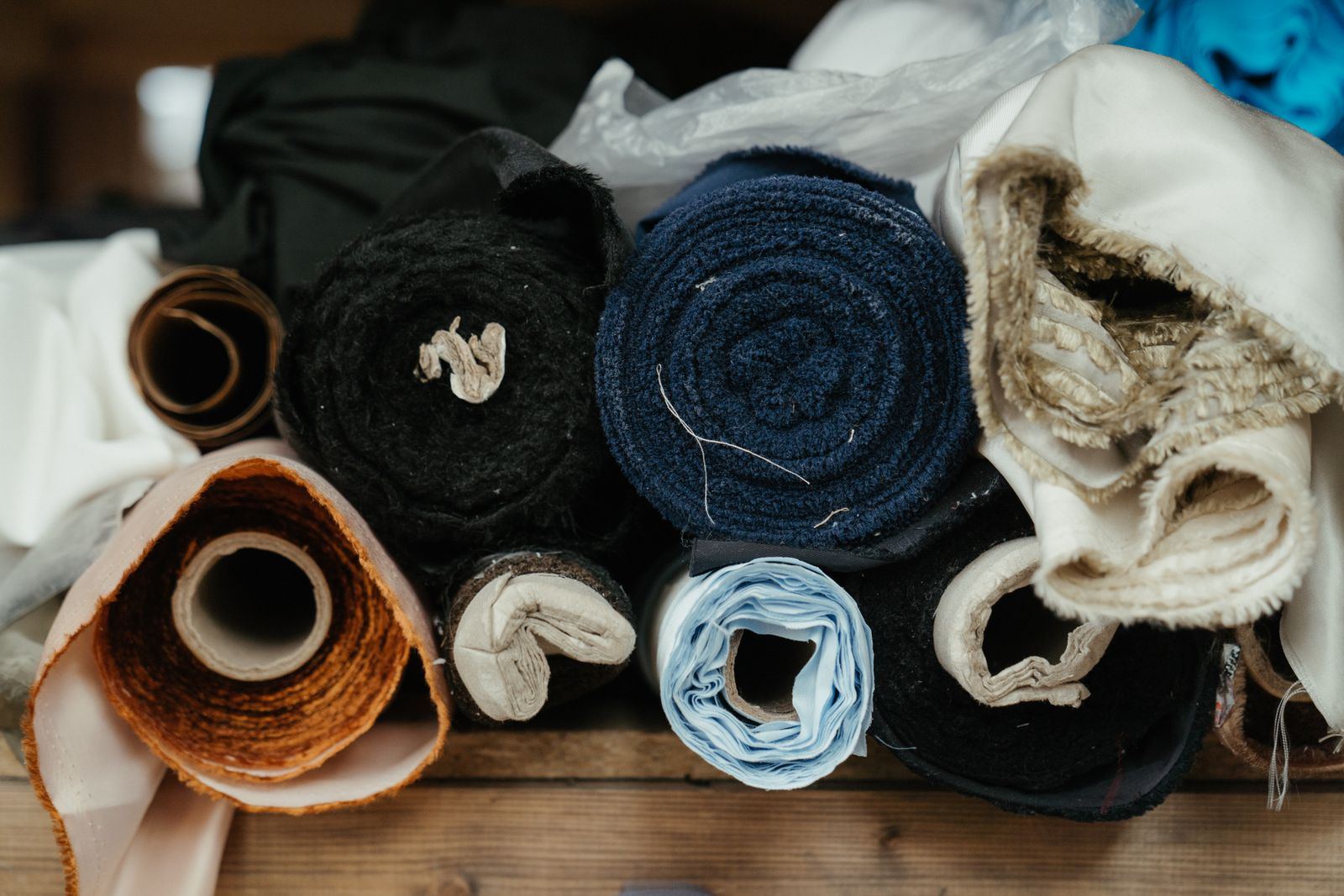
Fabric is the biggest factor in how your product feels to customers. Decide on:
- Fabric type: combed cotton, bio-wash cotton, cotton-poly blend, French terry, fleece and so on.
- Weight (GSM): heavier fabric feels more premium. Oversized streetwear tees are typically heavier than everyday basics. Read our guide to GSM for more.
- Finish: bio-wash or enzyme wash for softness, or acid wash and garment dye for a vintage look.
Ask your manufacturer for fabric swatches before you commit.
3. Prepare your designs and a tech pack
A tech pack is a simple document that tells the factory exactly what to make. It doesn't have to be fancy, but it should include:
- A flat drawing or reference photo of each style, front and back
- A size chart with measurements
- Fabric, GSM and colour for each style
- Artwork files with print size and position (for example, "front centre, 30 cm wide, 8 cm below the collar")
- Printing or embroidery method for each design
- Label, tag and packaging details
If you don't have a tech pack, a good manufacturer will help you build one from your references.
4. Plan your branding details
These small touches make a product feel like a real brand:
- Neck labels: woven or printed with your logo, plus size and care information.
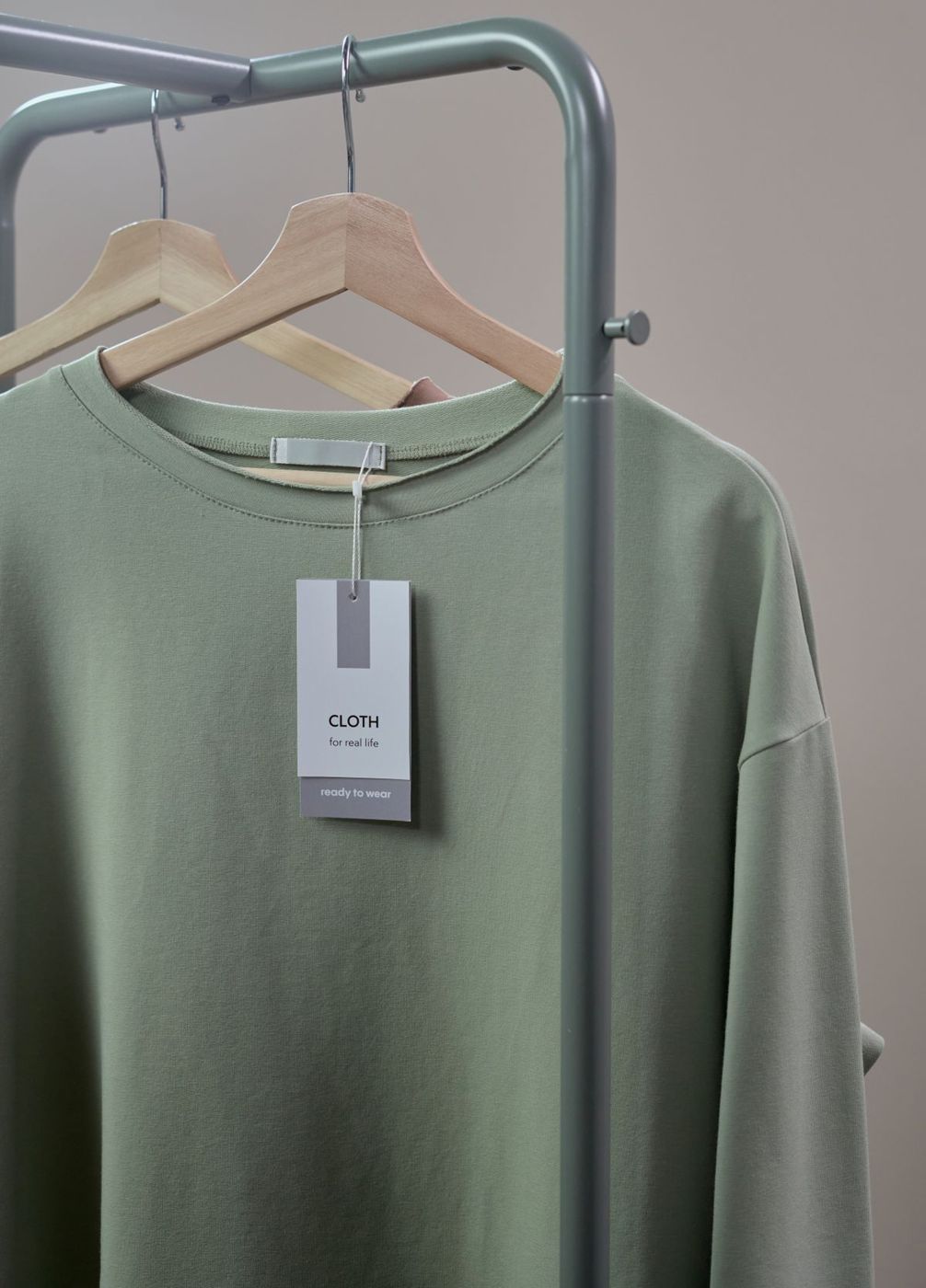
- Hang tags: printed card tags with your brand name, price or story.
- Packaging: branded polybags, boxes or tissue paper.
Labels and tags often have their own lead time, so order them early.
5. Always sample first
Never skip the sample. A physical sample lets you check fit, fabric feel, print quality and colour before you pay for hundreds of pieces. Wear it, wash it a few times, and ask friends to try different sizes. It's normal to go through one or two rounds of changes.
6. Plan your size split and quantities
Don't order equal quantities of every size. Think about who your customers are and weight your order towards the middle sizes. If you're unsure, start with a smaller first run and reorder the sizes that sell out.
7. Confirm everything in writing
Before production starts, get a written confirmation of:
- Per-piece price and what it includes (fabric, printing, labels, packaging)
- Quantities by style, colour and size
- The approved sample as the quality reference
- Delivery date and shipping arrangements
- Payment terms
8. Check the bulk order on delivery
When your stock arrives, check a sample of pieces from each size against your approved sample: measurements, print position, stitching and colour. Raise any issues immediately.
Ready to start?
We manufacture private-label clothing in Noida, from fabric sourcing and sampling to labels, tags and packaging. See what's included on our private label page, browse styles we make, or tell us about your brand.