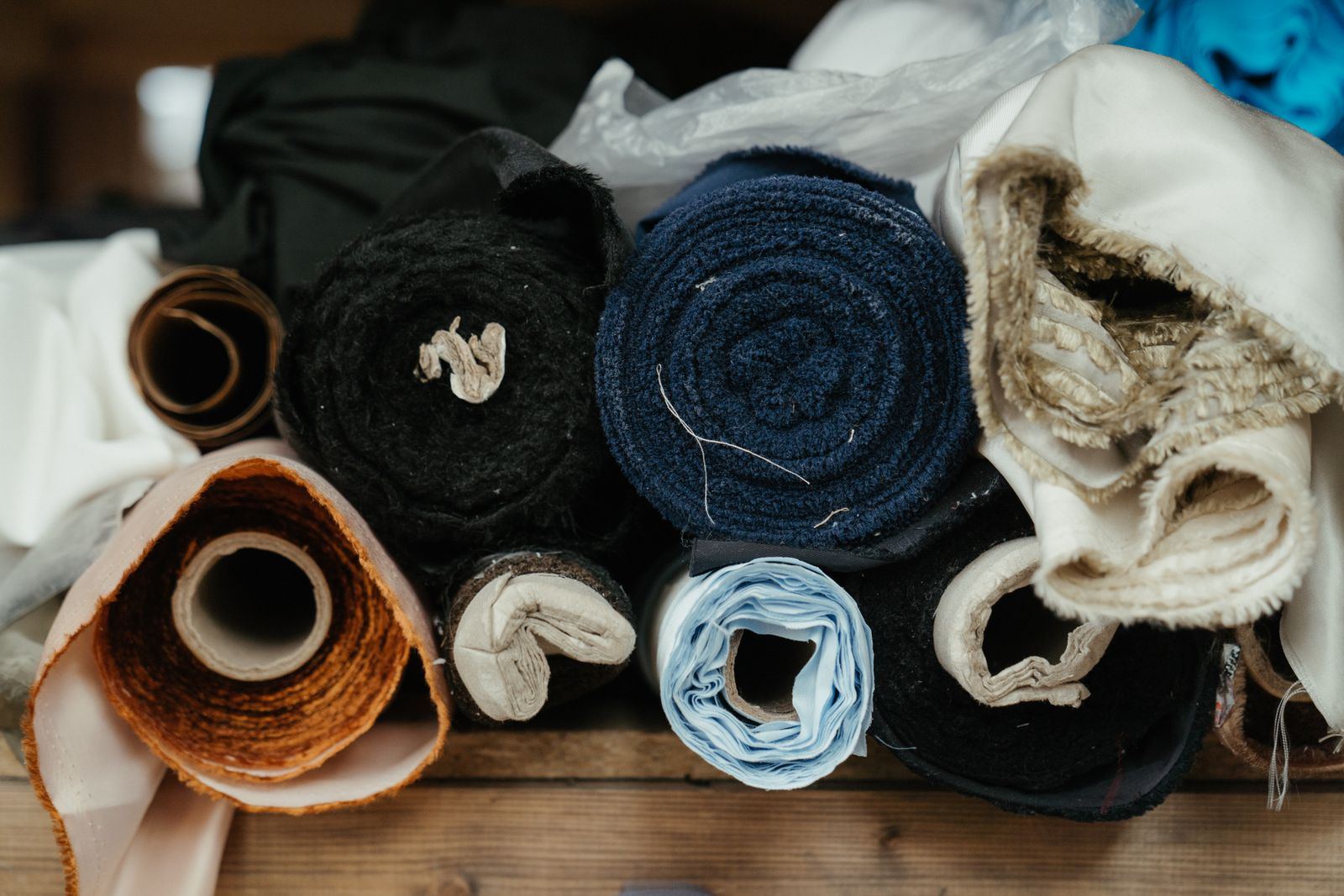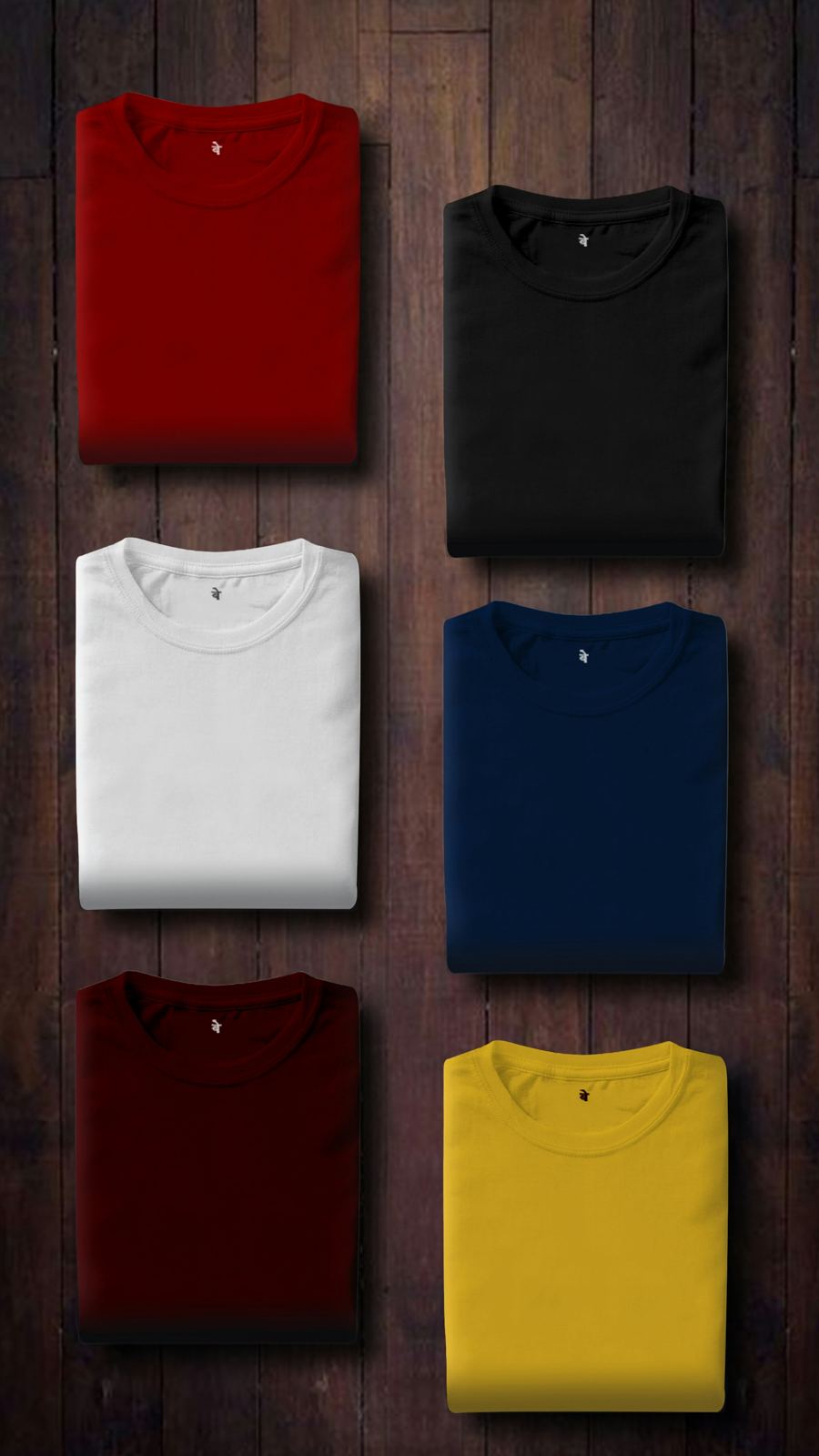
When you ask for a quote on custom t-shirts or hoodies, you'll almost always be asked: what GSM do you want? Here is what it means and how to choose.
What GSM means
GSM stands for grams per square metre. It's the weight of one square metre of fabric. A higher GSM means a heavier, usually thicker fabric. A lower GSM means a lighter, thinner fabric.
GSM tells you about weight, not quality. A well-made 180 GSM cotton can feel better than a poorly made 220 GSM one. Fibre, knitting and finishing all matter too.
Typical GSM ranges by garment
| Garment | Typical range | What it feels like |
|---|---|---|
| Everyday and event t-shirts | 160 to 200 GSM | Light, breathable, good for hot weather |
| Oversized and streetwear t-shirts | 220 to 260 GSM | Heavier, structured drape, premium feel |
| Polo shirts | 200 to 240 GSM | Smart and durable, holds its shape |
| Sweatshirts | 280 to 340 GSM | Warm, soft inside |
| Hoodies | 280 to 380 GSM | Warm and substantial |
These are the ranges we typically make. You can see the weight for each style on our products page.
How to choose
- Think about the weather. For summer events or outdoor work in Indian heat, lighter fabric is more comfortable.
- Think about the look. Oversized streetwear needs heavier fabric to hang properly. A light fabric in a boxy cut can look limp.
- Think about the use. A one-day event t-shirt can be lighter. Uniforms and merchandise people will wear for years should be heavier and more durable.
- Think about the budget. Heavier fabric uses more material, so it usually costs more per piece.
Does GSM affect printing?
Yes, a little. Heavier, tightly knitted fabric gives a smoother surface, which helps with sharp, detailed prints. Very light fabric can show a heavy print through to the inside. We'll suggest the right combination when you send us your design.
Not sure what to pick?
Ask us for fabric swatches in a few weights. Feeling them in your hand is the fastest way to decide.